There is a quiet revolution happening in architecture. As you walk through any modern city or residential neighborhood, you’ll notice walls dissolving into glass, structure receding from view, and a new aesthetic emerging. This is the age of aluminium and glass solutions.
It’s not simply about appearances. The combination of these two materials is redefining how we experience comfort, connect with nature, and build sustainable spaces that stand the test of time. Here is why.
Why Aluminium and Glass Are a Perfect Match
It might seem like a simple pairing, but the synergy between aluminium and glass is born of engineering necessity. Glass is heavy, and to support it effectively while maintaining clean visual lines, you need a strong, stable frame. Aluminium for windows offers just that: strength, durability, and remarkable design flexibility .
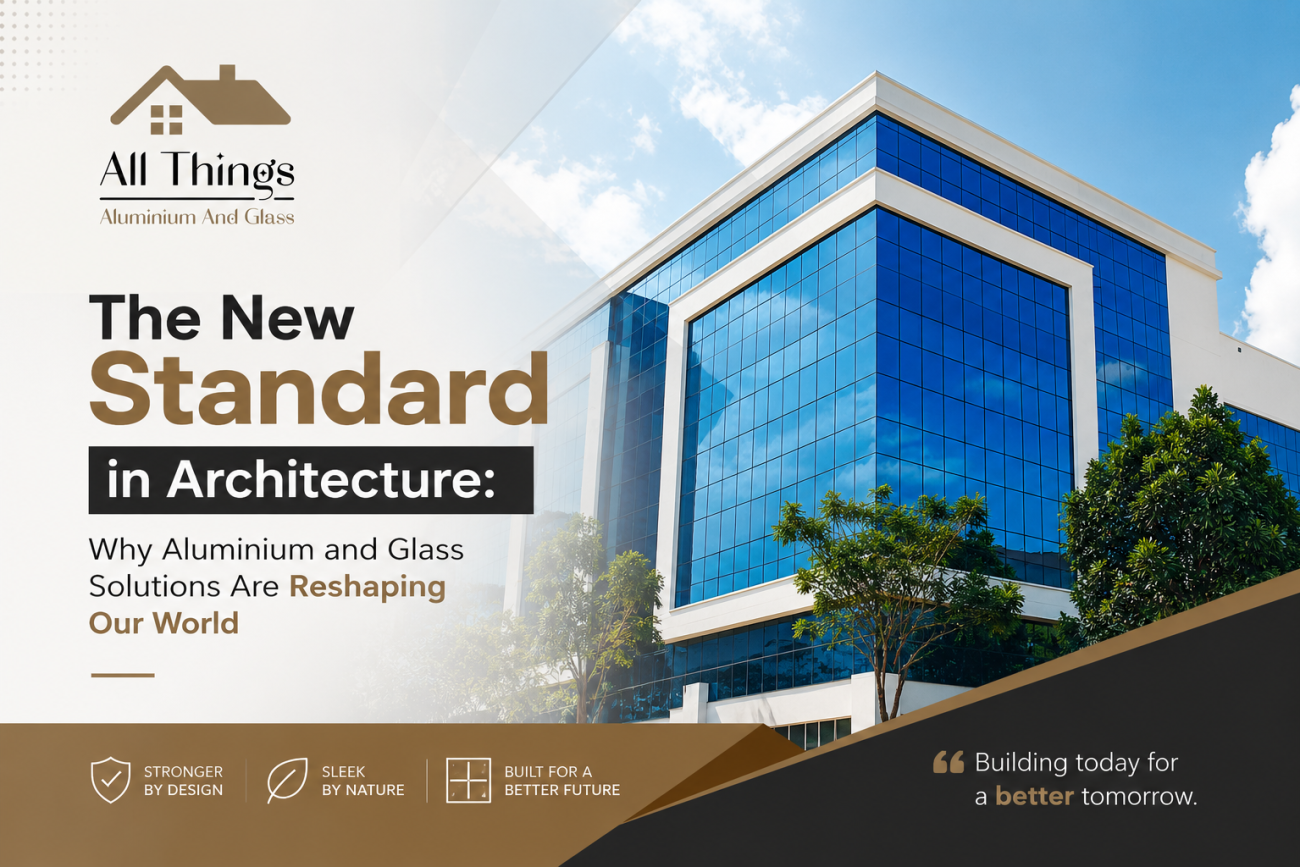
The modern trend in architecture is to maximize views and natural light. Aluminium’s inherent strength allows for slim, sleek profiles that support expansive glass panels without adding visual bulk. You get a stronger, more secure frame that takes up less space, leaving more room for the glass and the view .
Key benefits of aluminium and glass combinations :
- Natural Illumination: Expansive glass panels bring abundant daylight into interiors.
- Slim Profiles: Aluminium frames support wide openings without bulk, keeping the design clean and uncluttered.
- Durability: Aluminium is resistant to rust, moisture, and environmental wear.
- Low Maintenance: Requires minimal cleaning and zero repainting, unlike wood.
- Design Flexibility: Compatible with multiple window styles, from fixed to sliding or casement types.
A Design Driven by Light and Minimalism
The change in architectural language is perhaps the most visible impact. We are moving away from traditional “punched” windows set into masonry toward the continuous glass envelope—an unbroken architectural skin that wraps the home in light and landscape .
This shift aligns perfectly with minimalist design philosophy. Minimalist home design is grounded in simplicity, balance, and functionality, with every element serving a clear purpose. Aluminium and glass are the materials that make this possible. They create clean architectural lines, large, uninterrupted openings, and a sense of calm, openness, and modern elegance .
By using slim-profile aluminium frames and, in some cases, frameless glass, designers can enhance natural views, make rooms feel larger, and create a seamless visual language across doors, windows, and partitions .
More Than Just a View: Comfort and Wellness
The fascination with glass is not just aesthetic; it’s a physiological one. Expansive glass envelopes flood interiors with daylight, which is known to support circadian rhythms and enhance mental well-being . Architects are increasingly embracing principles of biophilic design—using fenestration to connect occupants more deeply with the natural environment .
However, creating a glass wall is one thing; making it comfortable is another. This is where advanced aluminium systems shine. In demanding climates, such as the Middle East, these systems have been stress-tested and refined. Sophisticated thermal break technologies ensure that even floor-to-ceiling glass facades remain cool, stable, and comfortable under relentless solar load .
Modern systems also deliver exceptional acoustic comfort. In dense urban environments, luxury is increasingly defined by silence. Precision-engineered aluminium envelopes provide high levels of sound insulation, creating an unexpected oasis of quiet .
Sustainability: The Circular Advantage
We live in an era where the environmental impact of our buildings is under constant scrutiny. Aluminium has a powerful story to tell here. It is infinitely recyclable without any loss of quality. This positions it as a permanent resource rather than a consumable one .
The industry is moving towards materials with lower embodied carbon. We are seeing increased demand for transparent sustainability credentials, including Environmental Product Declarations (EPDs) and recycled content in aluminium billets . Low-carbon aluminium is becoming the new normal, and when paired with high-performance double or triple glazing, the overall energy performance of a building improves dramatically.
Innovation on the Horizon
The partnership between aluminium and glass is also a platform for radical innovation. One exciting development is water-filled glass, which replaces the traditional insulating gas layer in a window with a thin layer of circulating water. This can deliver significant energy savings, up to 70% in heating and cooling, by absorbing heat in the summer and retaining it in the winter, all while maintaining a transparent aesthetic .
Furthermore, smart or switchable glass is becoming more prevalent. These panels can change from transparent to opaque at the touch of a button, offering on-demand privacy, perfect for modern office partitions or home bathrooms .
Conclusion
Aluminium and glass are more than just building materials. They are the tools architects use to create spaces that are open, light-filled, and connected to the world around us. Whether it’s a private home seeking a minimalist feel, a high-rise office aiming for wellness certification, or a commercial space looking to foster collaboration, this powerful combination delivers beauty, performance, and lasting value. It is a design approach that looks good and feels good, a true marker of thoughtful, modern living.
